Donald Trump has made US$2.2 billion in his second term. How does that stack up against other US presidents?
Donald Trump’s US$2.2 billion 2025 income dwarfs modern presidential earnings, intensifying scrutiny of how private business, cryptocurrency and public office now intersect.

🔍 WHY THIS STORY MATTERS
Trump’s unprecedented income while serving as US president raises consequential questions about conflicts of interest, market fairness and whether public power is being used to advance private business interests.
KEY TAKEAWAYS...
● Trump reported US$2.2 billion in revenue for 2025, up from US$622 million in 2024.
● Cryptocurrency ventures generated much of his income during the first year of his second term.
● Recent presidents generally placed assets in trusts or pursued major commercial earnings after leaving office.
● Truth API and Trump’s influence over markets and regulators have intensified demands for scrutiny.
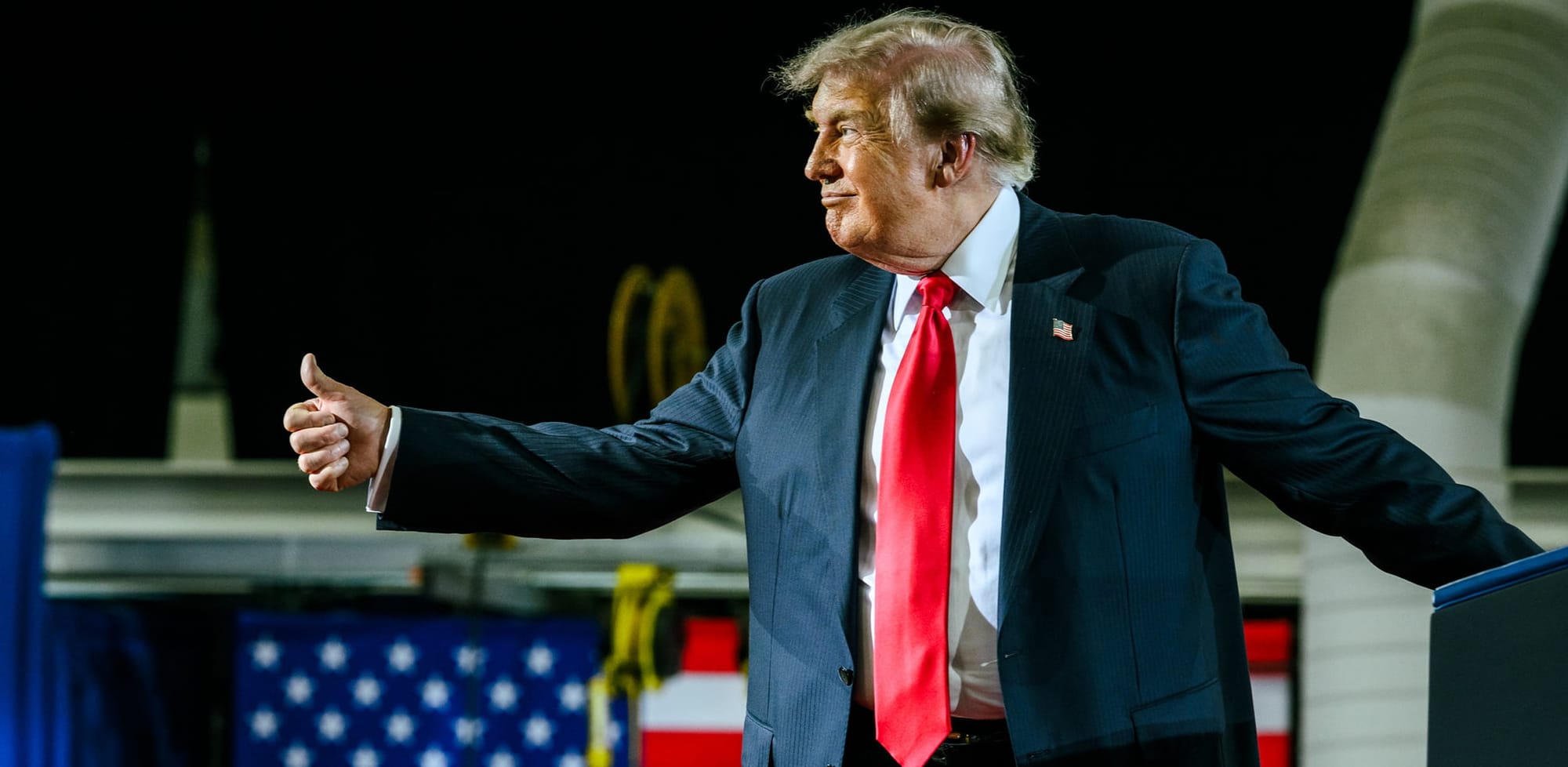
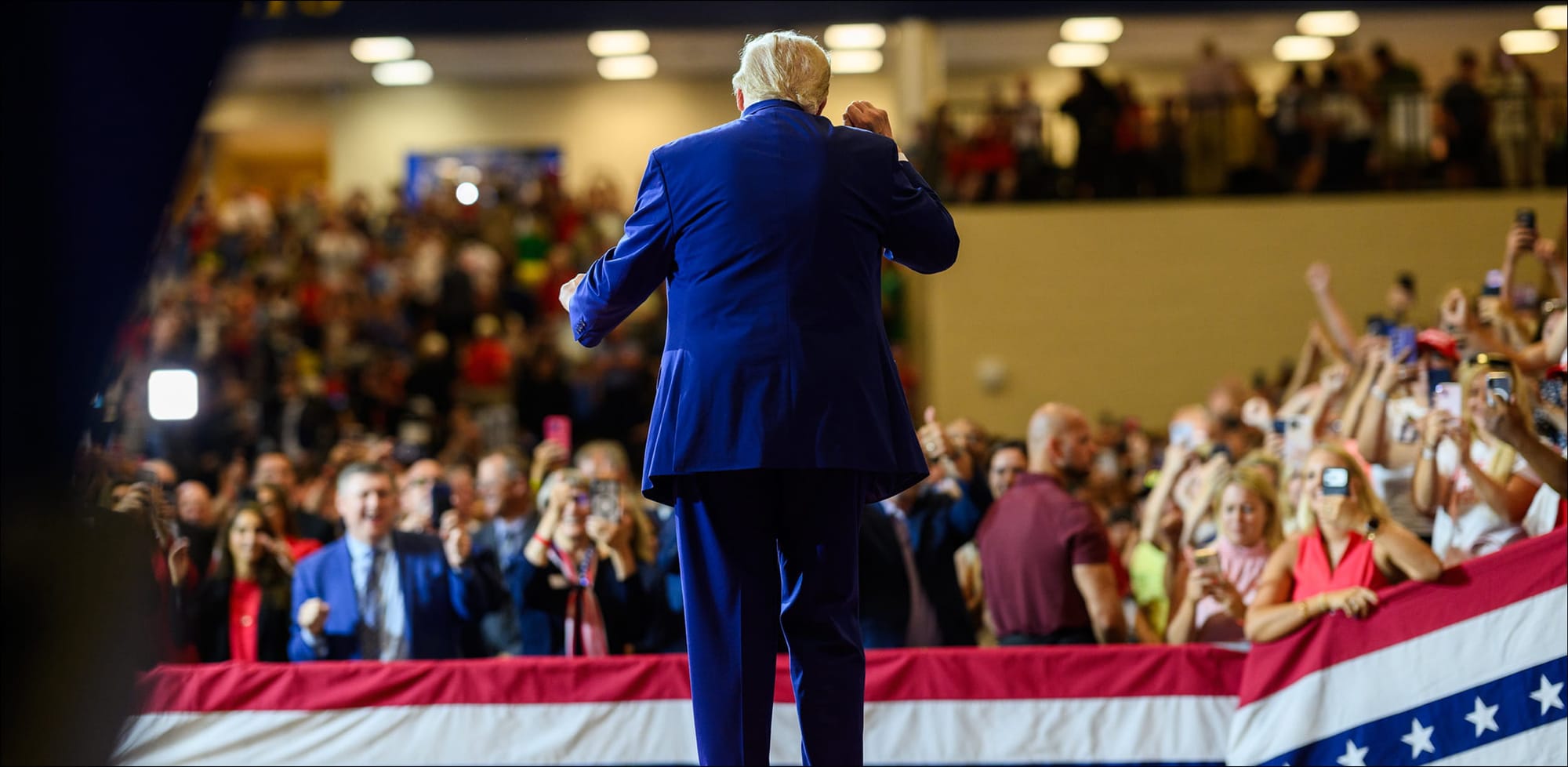
A t the end of June – in the run-up to America’s celebration of the 250th anniversary of the signing of the Declaration of Independence – President Donald Trump staged the White House’s first-ever professional sporting event. And while the UFC Freedom 250 evening of mixed martial arts was ostensibly part of the July 4 jamboree, Trump took the opportunity to promote his family’s business interests.
Fighters were paid bonuses in US$1 stablecoins, the cryptocurrency owned by the Trump family, while the event itself cost a reported US$60 million, much of which was taxpayers’ money.
The US president’s ability to make money while in office has been a focus of attention since his financial reports for 2025 were made public at the end of June. His reported revenue jumped from US$622 million in 2024 to US$2.2 billion in 2025, the first year of his second term.
While he and his family claim that there is no conflict of interest, there is little doubt that Trump has been able to profit from his position. But how does his financial gain as president stack up with some of his recent predecessors?
The Kennedy family were famously wealthy. The family’s patriarch, Joseph Kennedy, put some of his money into trusts for his children, allowing John Fitzgerald, Robert Francis and generations of future Kennedys to pursue politics without financial worry or conflicts between business and public service.
Kennedy’s successor Lyndon B. Johnson owned significant land and a small media empire in Austin, Texas with his wife Lady Bird, all of which was put into a blind trust and officially controlled without the Johnsons’ involvement while he was in office.
During the 1972 election cycle, Time magazine reported that incumbent president, Richard Nixon had improved his finances by just over US$300,000 during his first presidential term, noting that he was “not yet a millionaire”. Most of Nixon’s financial assets were tied up in property and his civil service pension.
Jimmy Carter’s famous peanut farm assets were put into a trust when he won office, and he left the presidency in $1m of debt following droughts in Georgia. Ronald Reagan, who succeeded Carter and was not a businessmen but a film actor-turned-politician, came to office with some assets. His assets – valued in 1981 at about US$4 million, mainly made up of his two properties – were also held in trust while he was in office.
George W. Bush made almost US$15m selling his stake in the Dallas-based Texas Rangers baseball franchise in 1998, while he served as governor of Texas. Barack Obama earned money from royalties on book sales while in office, but both he and Bill Clinton have amassed considerable wealth since leaving office.
None of these presidents appeared to leverage their presidency or their image to earn money while in office in the way that Trump has during his second term. Instead, they tended towards waiting until the post-presidency years.
Lucrative memoirs
Making money post-presidency is hardly a new story – the likes of James Buchanan and Ulysses S. Grant penned memoirs to earn money as far back as the 19th century. Nixon penned a well-paid memoir and made a lucrative and famous series of television interviews with David Frost in 1977 that earned him a base payment of $600,000 – over $3 million in 2026.
Perhaps the most lucrative of these post-presidential careers has belonged to Bill Clinton. Still a relatively young man of 54 when he left office, he moved into a public speaking and advising career. By 2016, he had made US$189m, US$38m of which had come from memoirs and other writing projects.
Barack Obama followed suit, pre-selling the rights to his memoirs immediately after leaving office for in a combined book deal with his wife Michelle reported to be US$60m.
Obama waited until he had officially stepped down before publicly concluding negotiations with Penguin Random House, taking the same pains as his predecessors to avoid the accusation of conflicting interests between his public service and private business.
Cashing in on the presidency?
No modern president has come close to Trump’s earnings, either while in office or after leaving.
In his first term Trump made attempts to differentiate his businessman persona from his new profession. Sean Spicer, his first White House press secretary, announced in 2017 that Trump was donating his first quarter earnings to the National Park service, a tradition he continued throughout his presidency. But he still amassed business revenues of US$2.4b – more than his predecessors by a considerable margin.
But even this could well be dwarfed by the amount of money Trump stands to make in his second term, if the first year is any guide. The 47th US president continues to argue that he follows the same path as other presidents and that his wealth is managed at arms’s length by external trusts and partnerships.
But the recent launch of Truth API – a paid-for data feed which gives access in “milliseconds” to posts on TruthSocial, a social media platform launched by Trump in February 2022 – has led to calls from his political opponents for the Securities and Exchange Commission to investigate. Posts by the president and other powerful people on the platform are known to move markets.
A recent poll by CNN has found that nearly two-thirds of Americans believe that Trump has gone too far in pursuing his personal business interests while serving as president. Whether this will hurt his party’s prospects in the midterm elections in November is yet to be seen. But what is clear is that the immense amount of money the US president has earned – and the power he wields over regulatory systems – now blurs the lines between public office and private business in a way that few other American leaders have.
🔮 WHAT MATTERS NEXT...
🎯 WHAT TO WATCH NEXT:
● Whether the Securities and Exchange Commission responds to demands for scrutiny of Truth API.
● Further disclosures clarifying the Trump family’s cryptocurrency, licensing and overseas business revenues.
● Evidence of how institutional investors use accelerated access to market-moving Truth Social posts.
● Whether concerns about Trump’s business interests influence voters in November’s midterm elections.
🎯 MOST LIKELY OUTCOME:
● Political and regulatory scrutiny will intensify, but substantial restrictions are unlikely before the midterms without regulator intervention or significant new evidence.
🎯 WHAT COULD CHANGE THE PICTURE:
● Evidence linking presidential decisions, privileged information or regulatory action directly to financial gains for Trump-controlled businesses.
🎯 WHY THIS MATTERS:
● The outcome will help determine whether the boundary between presidential authority and private commercial gain remains enforceable in the United States.

GOING FURTHER
Trump reports more than US$1.4 billion in income from crypto ventures | Reuters
Trump pulled in at least US$2.2 billion in 2025, financial disclosure shows | The New York Times
Trump filing shows he took in about US$1.2 billion from crypto businesses last year | Associated Press
Trump’s income topped US$2 billion in 2025, boosted by crypto and coin ventures | The Washington Post
Trump accused of ‘disgusting’ greed after being paid over US$2 billion since returning to office | The Guardian
Trump Media to sell fast feed of ‘market-moving’ posts to Wall Street | BBC News
Trump’s financial disclosure reports billions in income driven by cryptocurrency | CNBC
Trump’s US$2 billion bonanza heralds the rise of political profiteering across the West | The Guardian
Sources:
▪ This piece was originally published in The Conversation and re-published in Europeans TODAY on 7 August 2026. | The author writes in a personal capacity.
▪ Cover: DREAMSTIME/KORWEN.