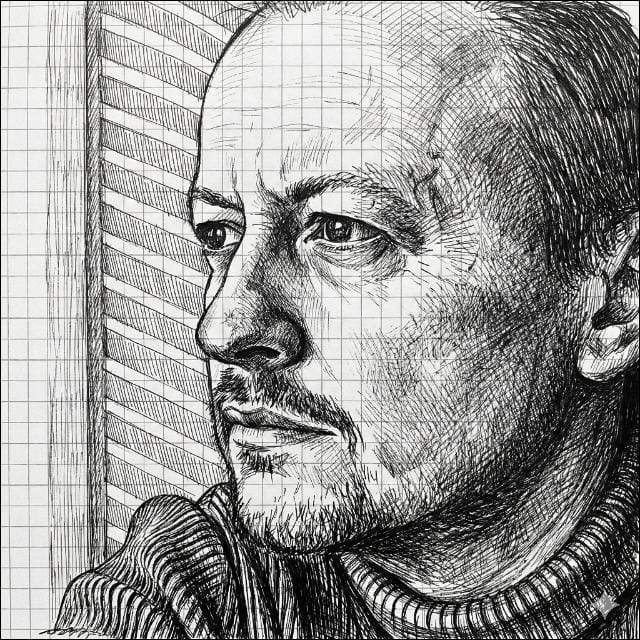
If you ask voters for a fixed term, shouldn’t you be prepared to serve it?
Mandate-hopping may be legal, but Andy Burnham’s rise shows why democracies should make elected politicians finish the jobs voters gave them.

🔍 WHY THIS STORY MATTERS
Andy Burnham’s route from mayoral office to national power raises a democratic question for voters everywhere: should elected politicians be free to abandon one mandate for another?
KEY TAKEAWAYS...
● Andy Burnham’s move from Greater Manchester mayor to national power exposes a gap in democratic accountability.
● Should elected politicians normally complete one mandate before seeking another office?
● A mandate-completion rule would protect voters from politicians treating elected office as a career stepping stone.
A ndy Burnham’s rise from Greater Manchester mayor to Westminster power is not just a story about one politician’s ambition. It is a test of how seriously democracy treats the promises made at the ballot box.
Burnham has returned to Parliament through the Makerfield by-election and was officially named Labour leader today, before entering Downing Street next week. The Guardian has described how his years as Greater Manchester mayor rebuilt his national standing and helped put him on the road to No 10. That is an extraordinary political comeback. It is also the clearest possible example of a democratic problem Britain has never properly faced.
When voters elect a mayor, councillor, MP or assembly member, they are not hiring a temporary applicant for the politician’s next career move. They are choosing someone to hold a mandate for a defined period. That mandate is not decorative. It is the democratic contract between the voter and their elected representative.
Shouldn’t the law therefore make a simple principle clear: a politician who voluntarily resigns from one elected mandate should not be allowed to run for another elected office until the original term has expired?
That rule would not be anti-democratic. It would be more democratic than the current system, because it would protect the voters who conferred the first mandate. At present, an elected politician can ask the public for trust, win office, gain the platform and visibility that come with it, then abandon the role when a more attractive vacancy appears. The voters are left with a by-election, a transition, a gap in leadership and the knowledge that their mandate was conditional on the office holder not finding something better.
CONTINUE READING...
MEMBERSHIP OPTIONS:
You can cancel anytime.
BENEFITS OF MEMBERSHIP:
✅ Read exclusive member-only articles
✅ Read our daily review of the UK front pages
✅ Receive every new article by email
✅ Access all our articles
✅ Get Special Discounts with our partners
✅ Join the conversation: Comment our articles
✅ Access our archives
✅ More importantly: Support independent journalism and keep the magazine going