Nvidia’s Jensen Huang is getting his CEO job back, but history shows companies perform better when corporate boards take executive misbehavior seriously
Nvidia’s reversal over Jensen Huang puts board independence, succession planning and corporate misconduct under scrutiny, with implications for governance across powerful founder-led technology companies.

🔍 WHY THIS STORY MATTERS
Nvidia’s reversal tests how boards balance misconduct, leadership dependence and political pressure, while continuing investigations and export-control scrutiny could shape investor confidence and governance expectations across the technology sector.
KEY TAKEAWAYS...
● Nvidia reinstated Jensen Huang as president and CEO just 11 days after his departure, following an extraordinary campaign for his return.
● The episode has intensified scrutiny of Nvidia’s board, succession planning and dependence on its co-founder.
● Research on executive misconduct suggests boards and directors can suffer reputational and professional consequences when misconduct is left unaddressed.
● Huang’s return does not end investigations or wider questions involving Nvidia’s governance, export controls and national-security exposure.
T he CEO of one of the largest and most powerful tech companies resigns over sexual misconduct allegations, sending the company’s stock down more than 10% and wiping out billions in value while raising questions about its board.
This could easily describe the turmoil facing Nvidia after the Nov. 12, 2026, ouster of its CEO, Jensen Huang, who remarkably returned to his job just 11 days later. But it actually transpired over 15 years ago at Hewlett Packard, under CEO Mark Hurd.
Jensen Huang is just the latest in a long line of CEOs who lost their jobs – albeit in his case temporarily – over personal misconduct. And as with HP, scrutiny is shifting from his behavior to his board – and the decisions that led to his exit.
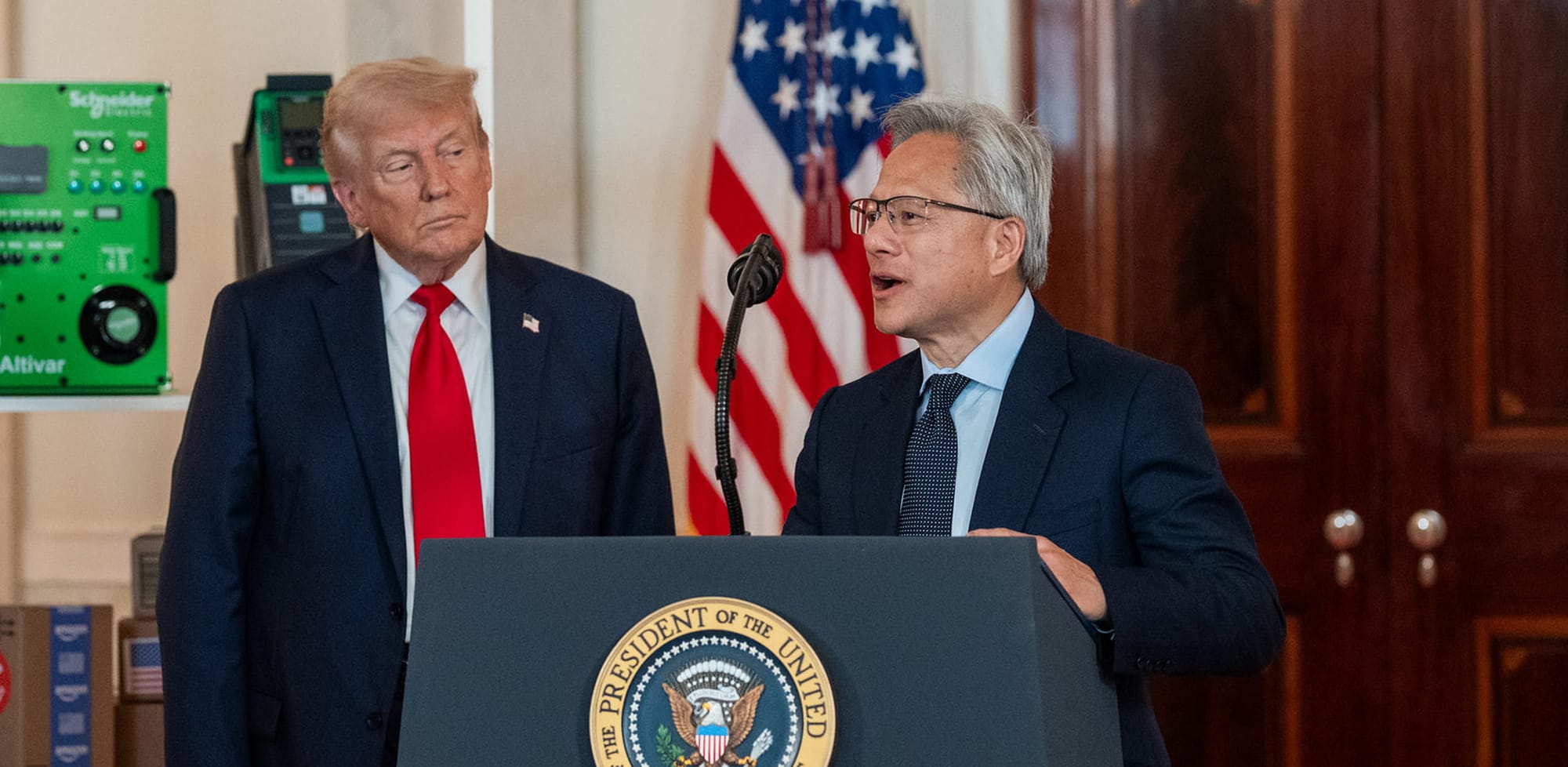
Prominent industry leaders are questioning the board’s original decision to oust him. They include Peter Steinberger of OpenAI, Anduril Industries co-founder Palmer Luckey, Elon Musk, Replit CEO Amjad Masad, Epic Games CEO Tim Sweeney and Y Combinator CEO Garry Tan – not to mention President Donald Trump, who reportedly directed the effort to get Huang reinstated.
As a scholar of management who has researched corporate misconduct, I believe the board had made the right call to force him out. After collecting instances of CEO personal misconduct dating back to 1995, I have repeatedly found that doing nothing, as a board, is worse than doing something.
CEO personal misconduct isn’t simply a private matter or an isolated leadership failure. I believe it creates reputational and governance risks for directors and can embolden further misconduct when left unaddressed. It may also signal deeper problems within the organization.
But it’s still hard for boards to act, particularly when the CEO is also the company’s founder and a central figure in its success. This is likely why the board chose to reinstate Jensen Huang. And why his return sets a terrible precedent.
The costs of misconduct
One important change over the years is that boards are becoming more sensitive to misconduct matters due to greater scrutiny by the media and public. They’re also more aware of the consequences for their own job that stem from the board’s performance and entanglement in the misconduct. In fact, directors of companies whose CEOs are involved in personal misconduct exit at a significantly higher rate than normal, either because they choose to leave a messy situation or because they’re forced out due to poor performance, my research shows.
One of the better known examples is Best Buy founder Richard Schulze, who stepped down as chairman of the board in 2012 after an internal investigation revealed that he knew about former CEO Brian Dunn’s inappropriate personal relationship with a female employee and failed to report it.
Directors are also personally penalized for their association with their company’s corporate misconduct. They may lose their board seats or see other companies they’re associated with take a hit. And if they hold executive positions elsewhere, the misconduct may spill over to damage the reputations of those companies as well.
In other words, directors have a rational basis to be concerned about their reputations and how a CEO’s personal misconduct may tarnish it.
In the case of Nvidia, questions are now being asked about the rigor of board oversight, the lack of CEO succession planning, and whether the board knew anything about the affairs. These questions have now spread to issues of potential national security risks.
Another issue is moral hazard: when someone acts recklessly because they know someone else will bear the cost if things go wrong. Assuming individual directors do face penalties for CEO personal misconduct, they have to address the likelihood of incentivizing further misconduct if the CEO is retained, which would further stain their reputation.
My research has found that risk to be high.
When CEOs are caught engaging in misconduct and the board doesn’t act, it can create a moral-hazard precedent and emboldens the CEO to behave badly again. In fact, when CEOs engage in repeated personal misconduct, the second instance is often even worse than the first.
Take former American Airlines CEO Doug Parker, who was the subject of two publicly reported DUI arrests. The second incident, in 2007, attracted considerably more media attention while prompting criticism of the board for allegedly failing to disclose the first incident in 1991.
Christopher Kubasik is another example of a second chance gone wrong. He was recently ousted as CEO of defense contractor L3Harris Technologies, more than 14 years after being forced out of Lockheed Martin following allegations of similar personal misconduct involving an inappropriate relationship.
In the case of Nvidia, Jensen reportedly lied to company officials about the nature of his intimate relationships for more than a year. From the board’s perspective, if he lied about this, what else has he lied about? And if they let him off the hook, what would he lie about in the future?
In reinstating him, the board said it “was satisfied with respect to Mr. Huang’s candor and ability to lead NVIDIA.”
A question of culture
Broader, often uncomfortable questions about company culture are also at stake.
CEO personal misconduct can be a symptom of a larger cultural problem at the company, my research shows. And it’s often associated with other types of corporate misconduct that affect the very operations of a business. In fact, other types of corporate misconduct frequently occur around a similar time frame as the personal misconduct of an executive.
Take Dov Charney’s tenure as CEO of American Apparel. During his leadership, the company faced significant accounting problems in 2009-10 that required it to re-audit several years of financial statements. Around the same time, Charney faced multiple allegations of personal misconduct, including sexual harassment, sexual assault, racist remarks and abusive behavior toward employees.
It’s in boards’ interest to grasp that personal misconduct can indicate a larger organizational issue – and, as a result, lead to more scrutiny of the board. With Nvidia, for example, there’s now a spotlight on the company’s organizational culture, its financial dealings and its possible role in skirting U.S. sanctions on Chinese chip import restrictions. The board is likely looking at the totality of the issues and not just the personal misconduct.
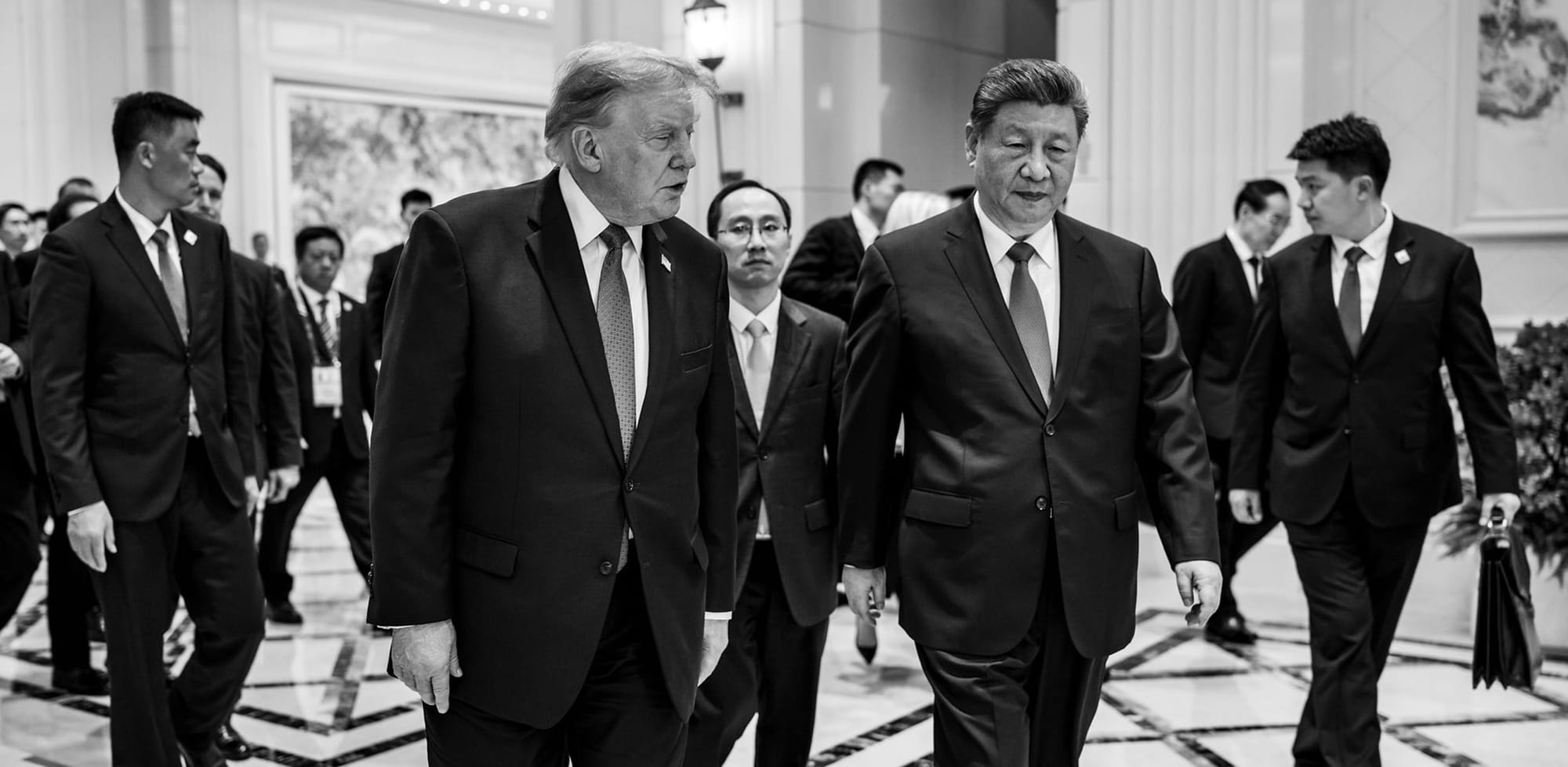
In the runup to Huang’s return to Nvidia, the public debate had largely been centered on what the company might lose without Jensen Huang at the helm. An equally important question, though, is what the company and its board might risk by retaining a CEO whose conduct has raised serious questions about judgment, trust and organizational oversight.
The decision to reinstate him suggests that political pressure can interfere with companies’ hiring and firing for misconduct, and that powerful CEOs are above the normal corporate considerations that would lead to dismissal. The Nvidia case might set a precedent, as other CEOs and boards now know the playbook for getting away with misconduct.
It’s a board’s duty to protect its organization from managers who go astray, as legendary investor Warren Buffett noted: “It isn’t fundamental dishonesty that causes people to go in a different direction. It’s human nature. There are plenty of people who are really decent people, intelligent people. … But they just don’t come to grips with reality. And boards usually don’t push them to.”
🔮 WHAT MATTERS NEXT...
🎯 WHAT TO WATCH NEXT:
● Nvidia’s independent-director investigation remains active after Huang’s reinstatement, leaving unresolved questions about the circumstances surrounding his relationships and any national-security implications.
● Congressional, regulatory and law-enforcement scrutiny of Nvidia and businesses linked to its China-facing chip trade could keep governance and export controls in focus.
● The board’s new national-security and export-control measures will be tested by whether they produce stronger oversight rather than simply reassure investors after Huang’s return.
● Succession planning remains a pressure point because the market reaction to Huang’s brief absence exposed Nvidia’s unusually high dependence on one executive.
🎯 MOST LIKELY OUTCOME:
● Huang’s return is likely to stabilise immediate leadership concerns, but governance and compliance scrutiny will persist while investigations remain unresolved.
🎯 WHAT COULD CHANGE THE PICTURE:
● New findings from Nvidia’s internal investigation or government inquiries could materially alter assessments of Huang’s conduct, the board’s oversight and the company’s national-security exposure.
🎯 WHY THIS MATTERS:
● Nvidia’s handling of an exceptionally powerful founder-CEO could influence how other boards weigh executive misconduct against shareholder pressure, political intervention and dependence on individual leaders.

GOING FURTHER
Shenzhen summit shows the power the US, China and Russia wield – and their limits | Europeans.Today
Nvidia Reinstates Jensen Huang as CEO | WSJ
Jensen Huang Is Back at Nvidia. Major Investigations Still Surround Him. | WSJ
The Latest Chapter in Corporate America’s Rocky History With Boardroom Romance | WSJ
‘I Fell Off My Chair.’ Investors Marvel as Huang’s Return Sends Stocks Rocketing. | WSJ
Trump Talked With Nvidia Board | WSJ
U.S. Stocks Jump as Huang Return Triggers AI Rally | WSJ
Nvidia’s Interim CEO Has a Tough Challenge: Keep the Growth, Leave the Baggage | WSJ
Sources:
▪ This piece was originally published in The Conversation and re-published in Europeans TODAY on 24 November 2026. | The author writes in a personal capacity.
▪ Cover: Flickr/THE WHITE HOUSE. (Licensed under a Creative Commons Attribution-ShareAlike 4.0 International License.)