Burnham’s removal claim goes beyond UK deportation law
Andy Burnham’s defence of new asylum guidance raises an accountability question after he said breaking UK law means removal, although deportation rules contain thresholds and exceptions.

🔍 WHY THIS STORY MATTERS
The government is promising tougher immigration enforcement, but the prime minister’s categorical language goes beyond what UK deportation law guarantees, creating a gap between political messaging and legal reality.
KEY TAKEAWAYS...
● Andy Burnham said people who break UK law “will be removed from the country”.
● UK law does not make removal automatic for every criminal offence.
● Automatic deportation generally applies from a 12-month sentence, subject to exceptions.
A ndy Burnham’s claim that breaking UK law means removal from Britain goes further than the legal framework governing deportation and immigration enforcement.
Speaking to broadcasters during a visit to Bradford on Thursday, the prime minister defended new Home Office guidance setting out UK laws and social expectations for asylum seekers.
“As a government, we have a very clear principle: if you break UK law, you will be removed from the country,” Burnham said. He added that removals were “significantly up” and said he was working to ensure foreign national offenders who could legally be removed were taken out of the prison system.
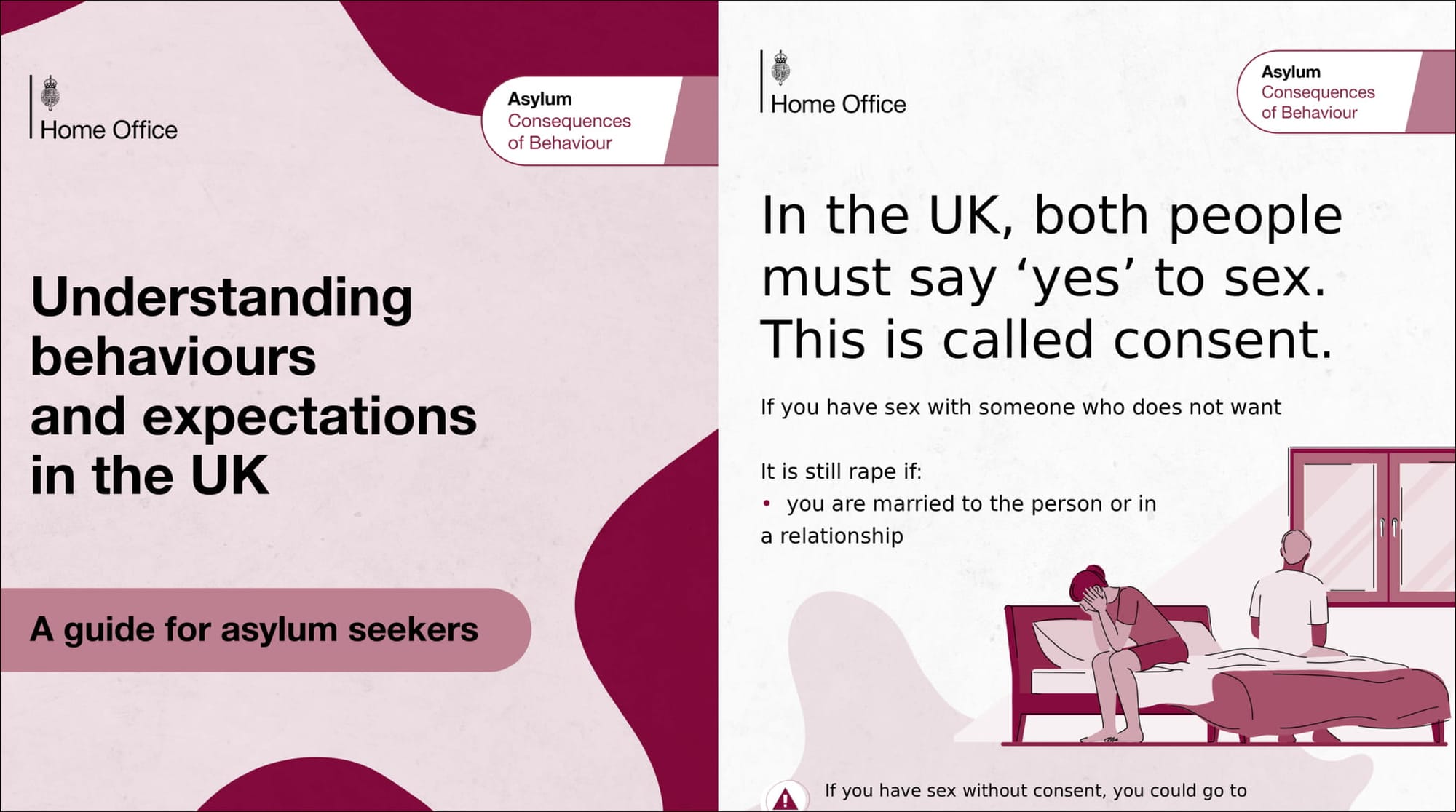
The new Home Office guidance, published on Wednesday, covers issues including rape, domestic abuse, gender equality and behaviour in public. It warns that unlawful conduct can lead to arrest, loss of asylum support or accommodation and consequences for an asylum claim.
But it does not say every offence automatically leads to removal.
Under the UK Borders Act 2007, the home secretary is generally required to make a deportation order for a non-British, non-Irish citizen convicted in the UK and sentenced to at least 12 months’ imprisonment, unless an exception applies. The Sentencing Act 2026 extended that automatic-deportation regime to qualifying suspended sentences of at least 12 months.
Human-rights protections and the UK’s obligations under the Refugee Convention can also prevent deportation in some cases. Foreign nationals below the automatic-deportation threshold can still face deportation on “public good” grounds or other immigration consequences, depending on their circumstances. The House of Commons Library sets out the distinction between automatic deportation and ministerial discretion for lesser offences.
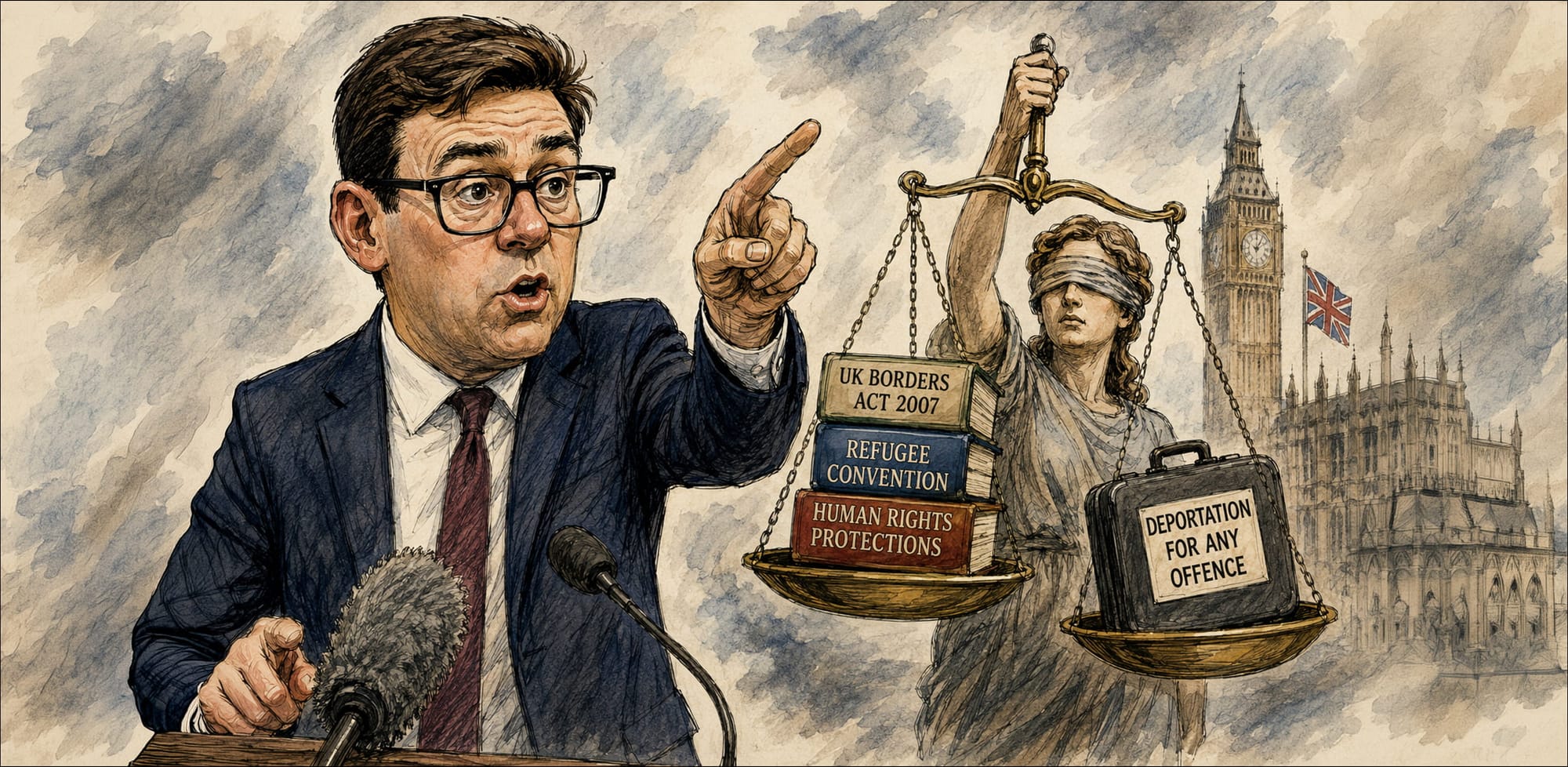
That makes Burnham’s categorical formulation broader than current law. Serious offending can result in deportation, but breaking any UK law does not invariably mean a person will be removed.
Home Office figures support the PM’s separate claim that removals have increased.
The department recorded 39,690 returns in the year to 31 July 2026, up 5% year on year. Foreign-national-offender returns rose 11% to 5,928 and asylum-related returns increased 10% to 12,412.
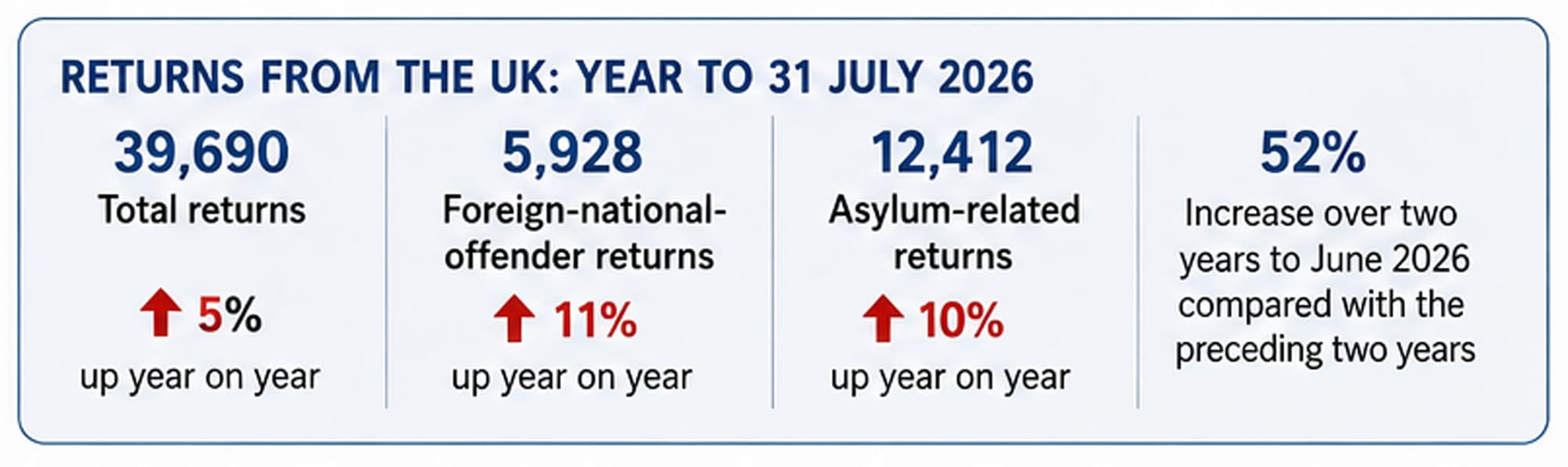
The figures are provisional and “returns” include both enforced and voluntary departures, so they should not all be described as deportations.
The distinction matters because the government is promoting tougher immigration enforcement while operating within statutory thresholds and legal safeguards. Burnham can accurately point to higher returns and efforts to remove eligible foreign offenders. His claim that any breach of UK law means removal, however, promises more certainty than the law provides.
🔮 WHAT MATTERS NEXT...
🎯 WHAT TO WATCH NEXT:
● Whether Burnham or the Home Office qualifies the claim that breaking UK law means removal.
● How the new behaviour guidance is applied when asylum seekers are accused or convicted of offences.
● Future Home Office returns data, including whether foreign-national-offender and asylum-related returns continue to rise.
● Court and tribunal decisions testing the legal limits on individual deportation and removal cases.
🎯 MOST LIKELY OUTCOME:
● The government is likely to continue stressing tougher enforcement while individual removal decisions remain subject to statutory thresholds, exceptions and legal challenges.
🎯 WHAT COULD CHANGE THE PICTURE:
● Further legislation could alter deportation thresholds or safeguards, while court rulings could constrain how existing removal powers are applied.
🎯 WHY THIS MATTERS:
● The credibility of tougher immigration messaging depends on whether ministers distinguish political intent from what the law actually permits.

GOING FURTHER
UK politics: Burnham says fly-tippers will be forced to pay for the clean-up when they dump waste illegally | THE GUARDIAN
Understanding behaviours and expectations in the UK: a guide for asylum seekers | HOME OFFICE
Returns from the UK between 1 July 2024 and 31 July 2026 | HOME OFFICE
Sentencing Act 2026: explanatory notes | LEGISLATION.GOV.UK
Deportation of foreign national offenders | HOUSE OF COMMONS LIBRARY
Home Office could be blocked from deporting trafficking victims to Albania | THE GUARDIAN
Sources:
▪ This piece was first published in Europeans TODAY on 21 August 2026.
▪ Cover: Flickr/Number 10. (Licensed under a Creative Commons Attribution-ShareAlike 4.0 International License.)